

Enclosed Transport Solutions for Every Scenario
Our Enclosed Transport Services


What Is Enclosed Vehicle Transport?
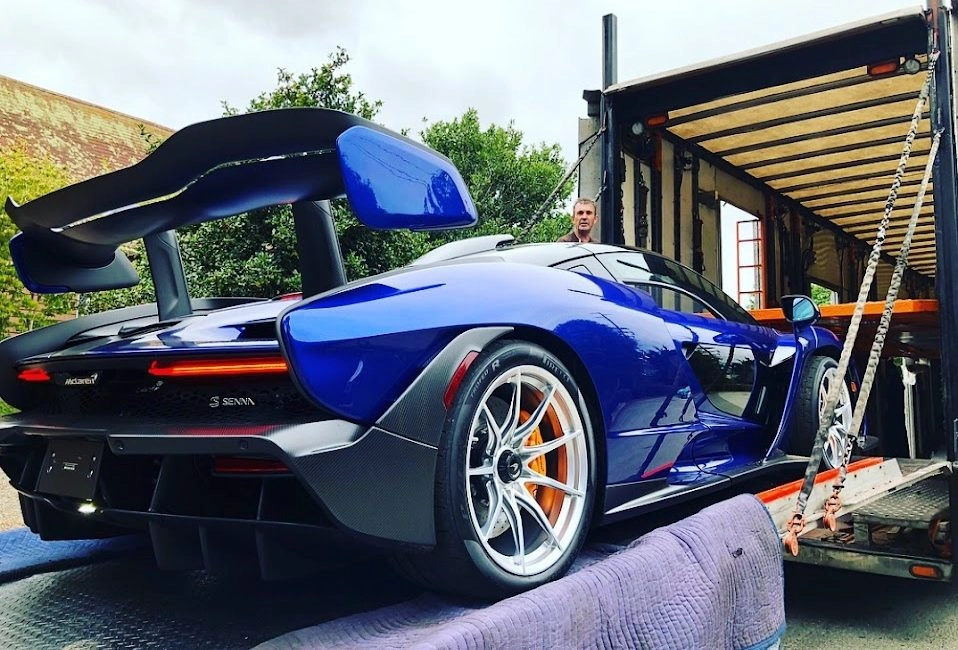
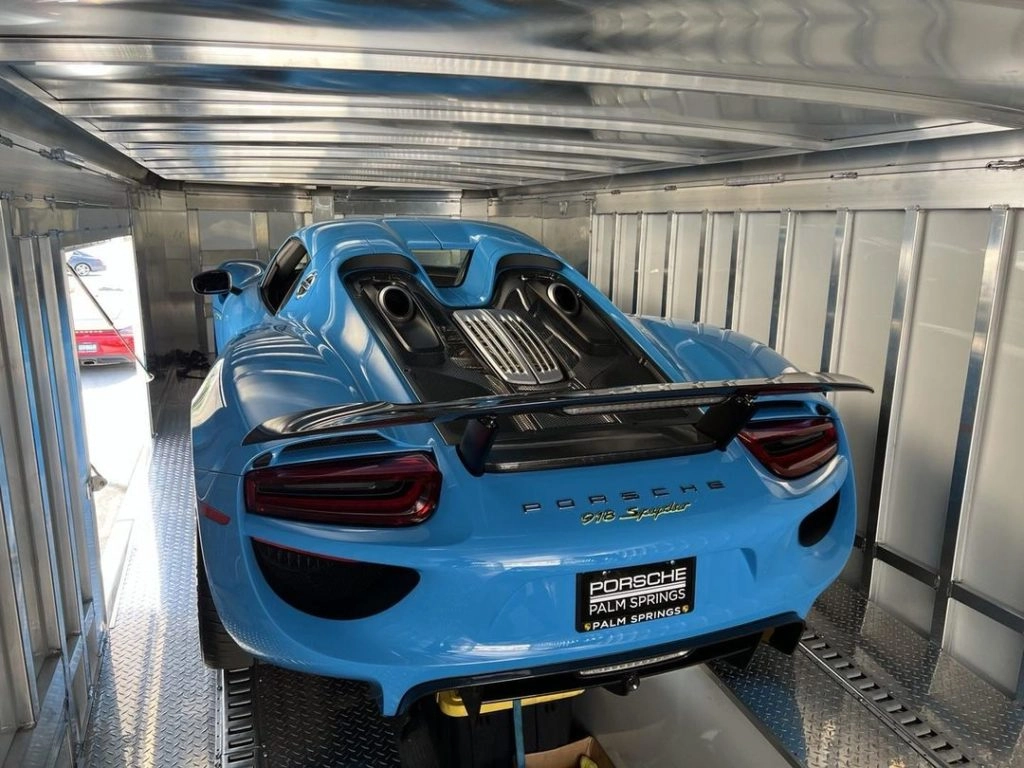
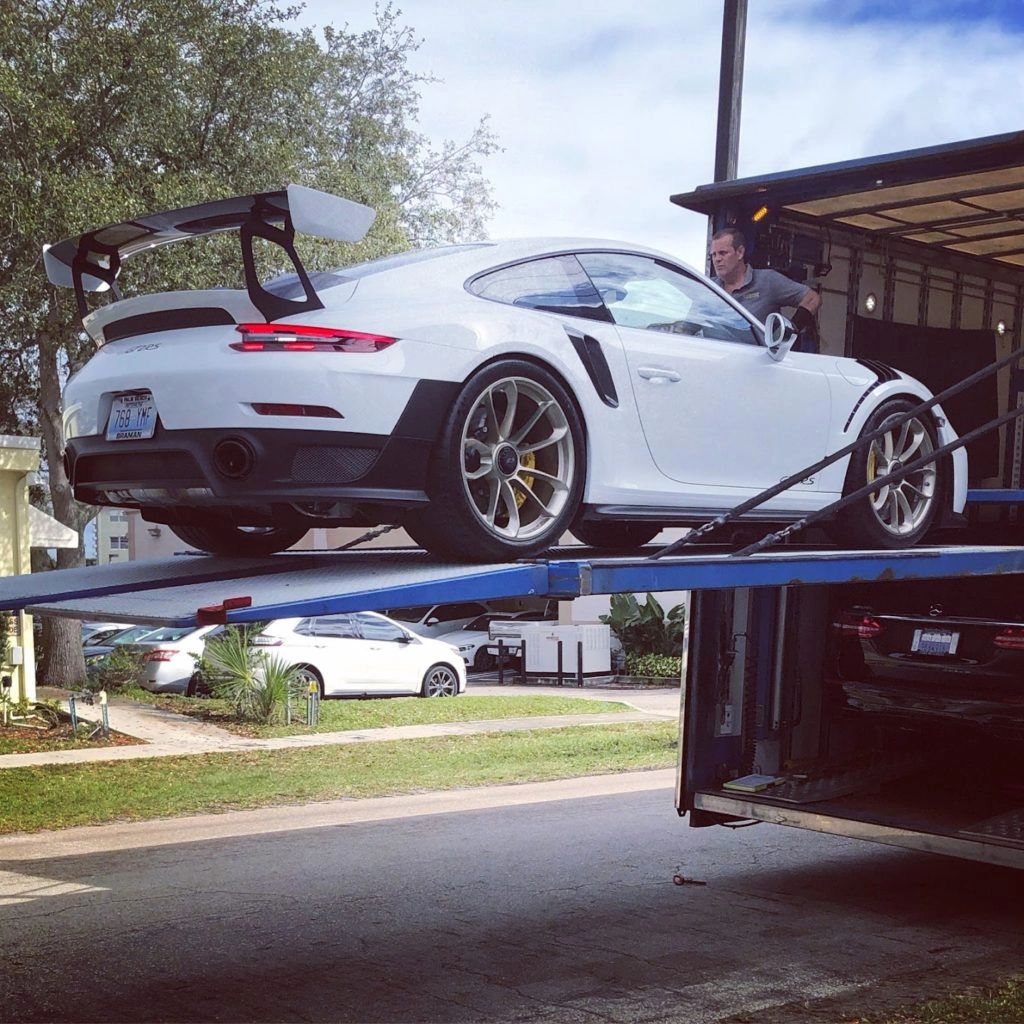
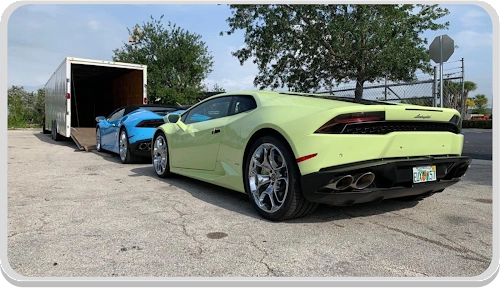
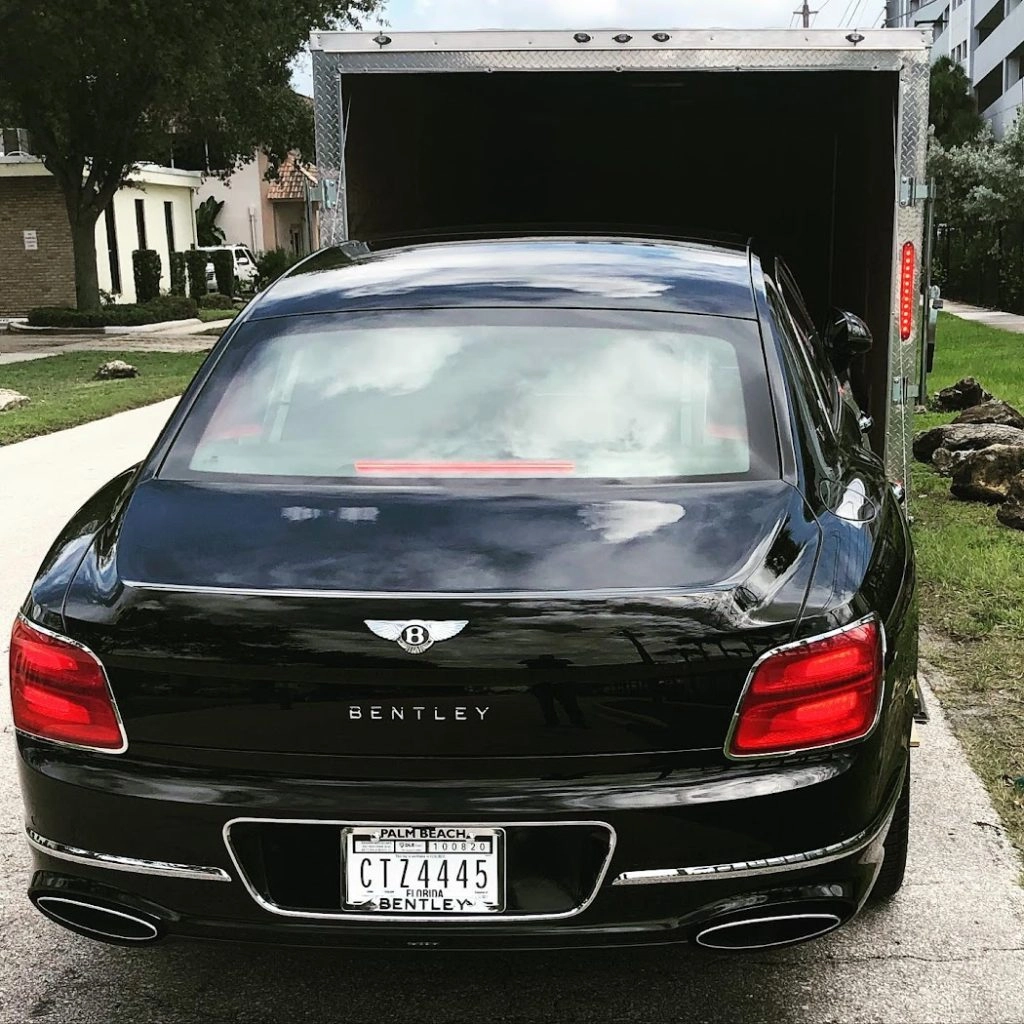
Enclosed vehicle transport ships vehicles inside a fully covered trailer, protecting them from weather, road debris, dust, and exposure during transit. Unlike open carriers where vehicles are visible and exposed, enclosed trailers provide a sealed environment — the difference between coach and first class.
This method is the industry standard for transporting:
- Luxury vehicles — Porsche, Mercedes-Benz, BMW, Bentley, Rolls-Royce
- Exotic and supercars — Lamborghini, Ferrari, McLaren, Bugatti
- Classic and vintage cars — Concours-level restorations, numbers-matching originals
- Custom and show cars — SEMA builds, auction-bound vehicles
- High-value fleet units — New inventory for dealerships, OEM launches
While we specialize in luxury and exotic transport, using exclusive enclosed carriers to provide white-glove service, our drivers have years of experience transporting vehicles of every size, make, and model. Moving a motorhome, travel trailer, or fifth wheel? See RV transport.


Enclosed vs. Open Transport: When Does It Matter?
| Feature | Open Transport | Enclosed Transport |
|---|---|---|
| Weather protection | Exposed to elements | Fully shielded |
| Road debris protection | Exposed | Sealed trailer |
| Privacy | Visible on carrier | Hidden from view |
| Transit time | Standard | Often faster (fewer stops) |
| Insurance coverage | Standard limits | Higher coverage limits available |
| Loading method | Drive-on ramp | Hydraulic liftgate available |
| Vehicles per load | 8–10 | 2–7 |
| Typical cost | ~$0.50–$1.50/mile | ~$1.00–$2.50/mile |
| Best for | Standard daily drivers | Luxury, exotic, classic, high-value |
Industries We Serve
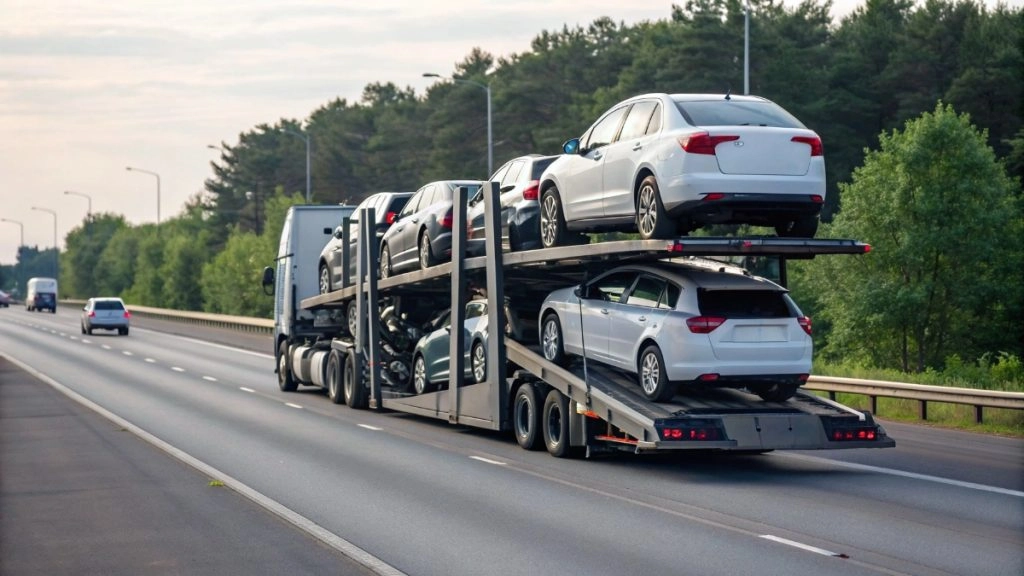
Rooftop Dealerships & Dealer Groups
OEMs & Manufacturers
.webp)
Auction Houses & Remarketing
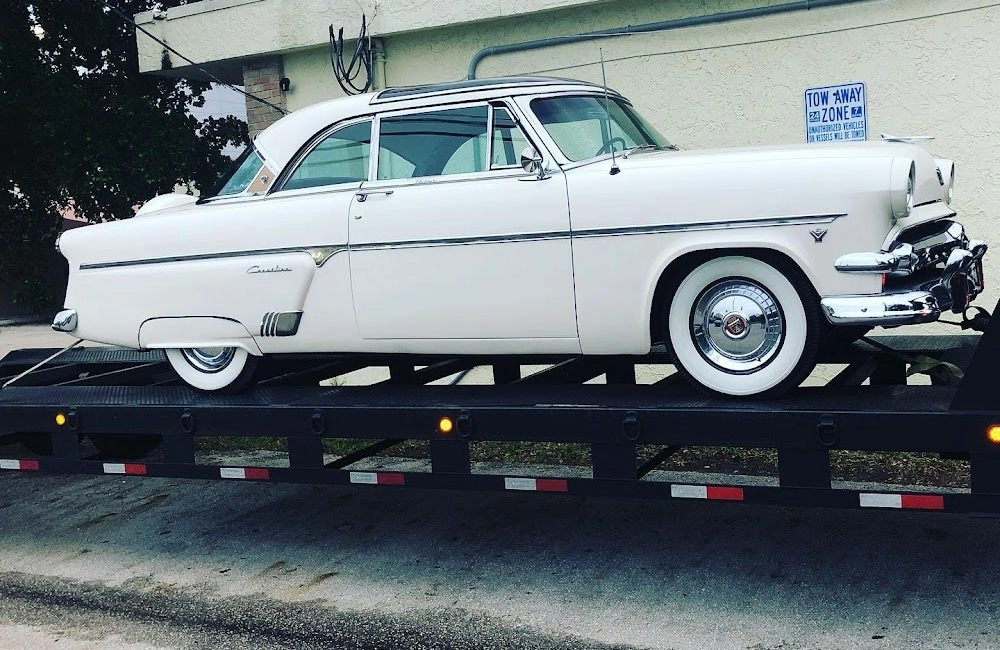
Classic Car Collectors & Enthusiasts
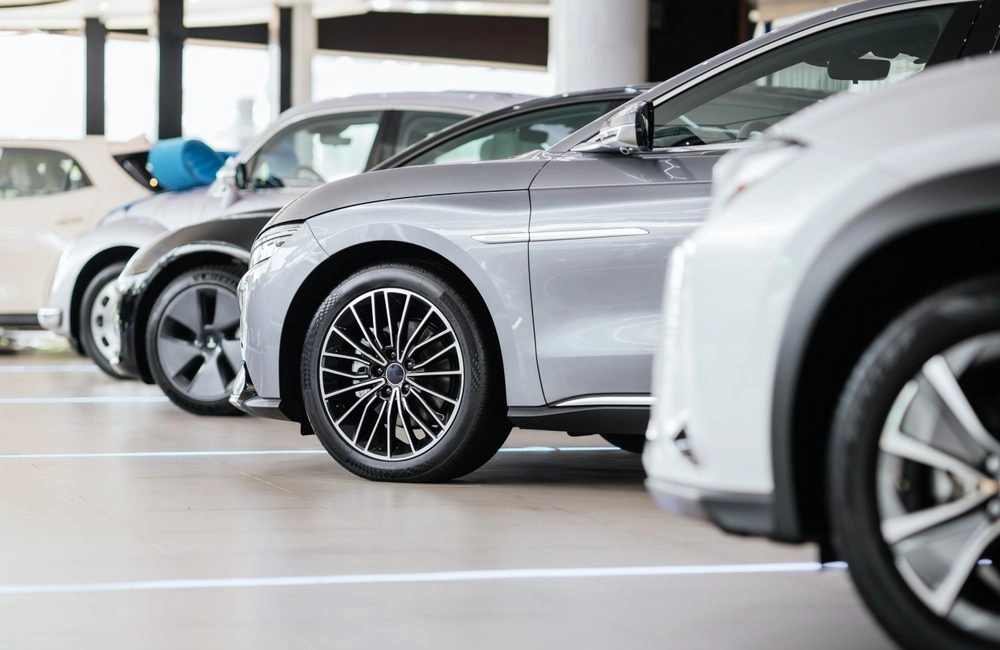
Rental Companies

Financial Institutions
How Enclosed Vehicle Transport Works
Step 1

Request a Quote
Tell us what you're shipping, from where, and to where. We'll match you with vetted enclosed carriers on your route.
Step 2

Schedule Pickup
Choose your pickup window. Our carriers coordinate directly with you or your team for a time that works — home, dealership, storage, or event venue.
Step 3

Vehicle Inspection & Loading
A detailed condition inspection is completed before loading. Photos documented. Vehicle secured inside the enclosed trailer with soft ties or wheel nets.
Step 4

Track & Receive
Monitor your shipment in real time via RPM's TMS. Receive delivery notifications, complete a final inspection, and sign off on delivery.
Vetted Carriers & processes that protect vehicles from Fraud & damage
Every enclosed shipment includes access to RPM's advanced tracking platform with:
- GPS tracking with geo-fenced milestone updates
- Digital inspection reports — timestamped condition photos at pickup and delivery (eBOL/ePOD)
- Automated notifications — email alerts for pickup, in-transit milestones, and delivery
- AIAG-compliant documentation — the same standard used by major OEMs
- Carrier vetting & performance scoring — every carrier in our network is vetted, monitored, and rated
- Supplemental insurance — $500,000 per vehicle, an extra layer of security above and beyond the carrier's standard coverage
- Fraud & theft prevention — stringent requirements and processes to protect every shipment, helping thousands of seasonal movers reach their destination each year

Nationwide Enclosed Transport Coverage
Active vehicle carriers
States with enclosed capacity
Port and rail integration
Countries served (US, CA, MX)
RPM Moves operates an enclosed carrier network spanning all 48 contiguous states plus cross-border service to Canada and Mexico.
Popular Enclosed Routes
Miami to New York
Snowbird corridor
Los Angeles to Chicago
Dealer inventory
Houston to Atlanta
Auction circuit
Detroit to Nationwide
OEM distribution
San Francisco to Seattle
West Coast luxury
Dallas to Phoenix
Southwest corridor
Charlotte to Tampa
Southeast classic cars
Las Vegas to Los Angeles
Exotic car moves
Boston to Miami
East Coast snowbirds
Denver to Scottsdale
Auction transport
Nashville to Orlando
Show car shipping
Philadelphia to Fort Lauderdale
Collector corridor
San Diego to Portland
Pacific Coast route
Austin to Jacksonville
Cross-South shipping
Minneapolis to Palm Beach
Seasonal relocations
Washington DC to Charlotte
Mid-Atlantic route
Monterey to Greenwich
Concours circuit
Amelia Island to Pebble Beach
Show car season
Milwaukee to Boca Raton
Midwest snowbirds
Indianapolis to Daytona Beach
Race car transport
Miami to New York
Snowbird corridor
Los Angeles to Chicago
Dealer inventory
Houston to Atlanta
Auction circuit
Detroit to Nationwide
OEM distribution
San Francisco to Seattle
West Coast luxury
Dallas to Phoenix
Southwest corridor
Charlotte to Tampa
Southeast classic cars
Las Vegas to Los Angeles
Exotic car moves
Boston to Miami
East Coast snowbirds
Denver to Scottsdale
Auction transport
Nashville to Orlando
Show car shipping
Philadelphia to Fort Lauderdale
Collector corridor
San Diego to Portland
Pacific Coast route
Austin to Jacksonville
Cross-South shipping
Minneapolis to Palm Beach
Seasonal relocations
Washington DC to Charlotte
Mid-Atlantic route
Monterey to Greenwich
Concours circuit
Amelia Island to Pebble Beach
Show car season
Milwaukee to Boca Raton
Midwest snowbirds
Indianapolis to Daytona Beach
Race car transport
What Does Enclosed Vehicle Transport Cost?
Enclosed transport typically costs 30–60% more than open transport, reflecting the additional protection, lower vehicle capacity per trailer, and specialized handling involved.
Key factors that affect enclosed transport pricing:
- Distance and route
- Vehicle size and weight
- Route and carrier availability
- Seasonality and demand
- Service level (dedicated vs. shared)
- Timeline and urgency
- Loading requirements (e.g. liftgate)

Trusted by the Industry